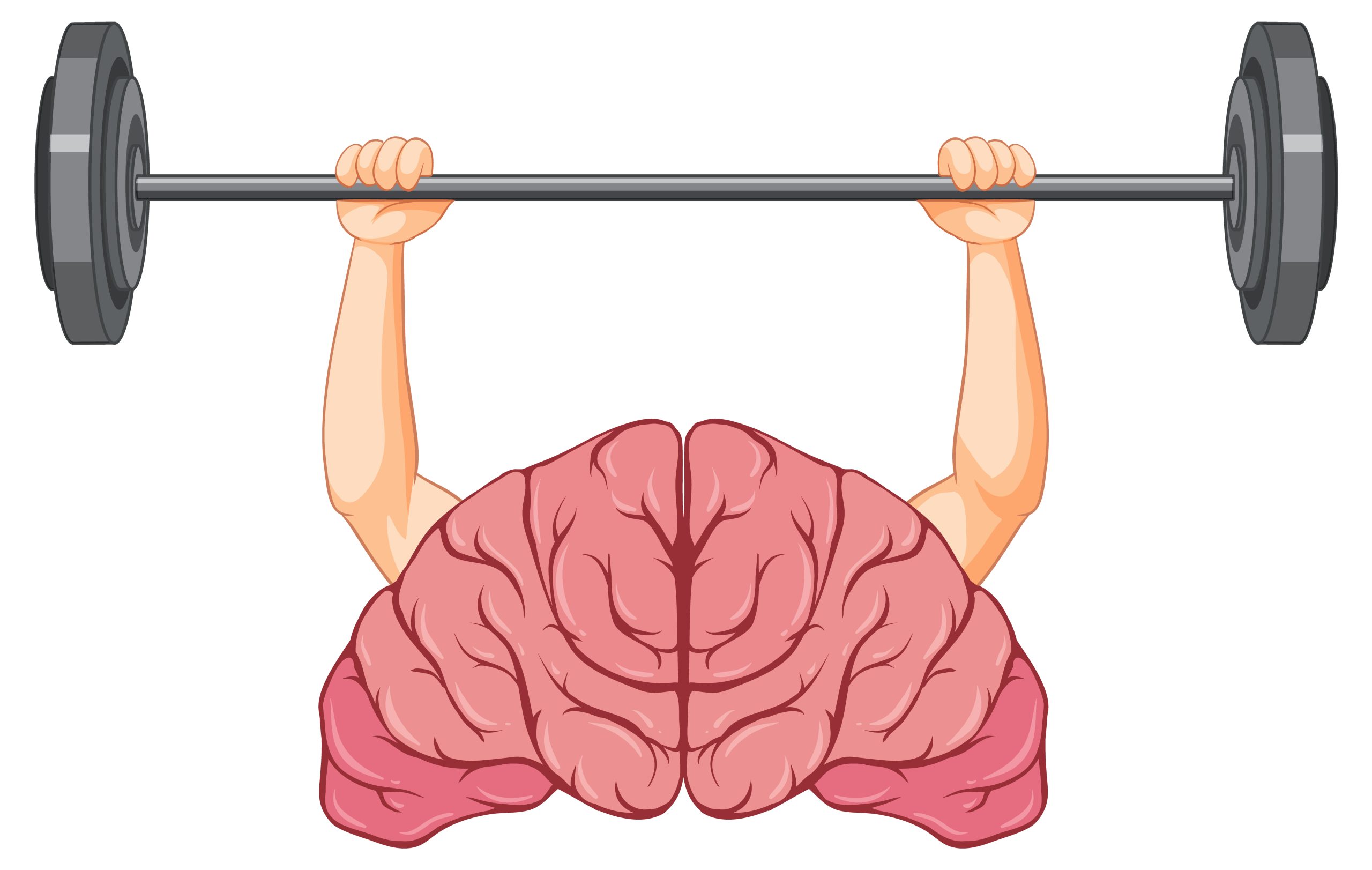
When I first came across a mindset coaching certification while looking for continuing education opportunities, I was skeptical. While there are many amazing things about working in the fitness industry, one not so amazing thing is that it is rife with misinformation. Unfortunately, many self-proclaimed “experts” in the field draw from personal opinion and what “seems right” (or simply what sells… hello, “Lose 10 Pounds in 1 Week” fads) to guide people on their health and fitness journeys. Oftentimes these misleading voices drown out the reliable sources that are grounded in science-backed practices, making it even more difficult for us to find the right information we need in order to be successful in our fitness endeavors!
Despite my initial concerns, I decided to look more into what mindset coaching was all about in hopes that it could make me a more effective and caring trainer for my clients. Additionally, as a trainer who has also been a client, I knew how wholly unhelpful it was to hear things like, “You just have to want it bad enough,” or “Mind over matter” from my own coach when I was having trouble reaching my goals. After getting certified and diving into the psychological research associated with mindset coaching, I can tell you today that I am so glad I decided to specialize in a mindset-based approach to personal training.
So let me break down for you a few common misconceptions about mindset coaching, and how those things differ from what mindset coaching really is.
1) Mindset coaching is not cheerleading.
Although encouragement is a very important part of taking care of our clients, mindset coaching is not just phrases like “You got this!” or “You are stronger than you think you are!” We absolutely still say those things, but we don’t call it mindset coaching. It’s just encouragement. 😉
2) Mindset coaching is not solving clients’ problems for them.
While us trainers may be the experts on what will help you reach your goals, we are not the experts on your life. A good mindset coach views the trainer-client relationship as a collaboration in which the client is every bit as responsible for coming up with their own solutions to obstacles. Rather than immediately providing a horde of solutions when clients express frustration over a lack of progress, we may say, “What do you think the main problem is here?” or “I have my own thoughts about what we could do, but I want to hear your thoughts first.” This promotes autonomy and self-efficacy as clients learn that they have the innate ability to recognize the source of the issue and what needs to change.
3) Mindset coaching is not woo-woo or pseudoscience.
The practices associated with mindset coaching are grounded in behavior change and growth mindset research. With the fitness industry having the reputation it does for misinformation, this is an important one!
I am a firm believer that pursuing a healthy and fit lifestyle is mostly a mental endeavor. Mindset coaching allows me to approach client issues with the confidence that I am attending to the most significant determining factor of their success. If you are finding that the old, repetitive motivational phrases are not working for you, it may be time to look into some of that mindset research!