
If we eat less we will weigh less right? Well sort of, but at what cost? To lose weight it is true that you need to increase your activity and/or reduce energy consumption, but this all needs to be calculated and tracked. If you eat too little and starve your body, your cortisol levels rise and in response to the huge caloric deficit, your body slows the metabolism and begins pulling calcium from the bones, and pulling stored energy from the muscles (not good). If you work hard in the gym, you need to replenish the electrolytes lost in sweat, provide your body with protein to repair the damaged muscles, refuel your energy stores by consuming healthy and complex carbs, and incorporate healthy fats full of omegas so your body has a longer-lasting energy reserve. The body can store all macronutrients except protein, so this is why protein needs to be continuously consumed throughout the day to prevent muscle catabolism (muscle break-down).
The truth is, eating less than it takes to support your body’s healthy tissue can actually cause you to hang onto body fat for two key reasons. First, healthy tissue (muscle, bone, etc.) burns calories by just being on your body. Every bit you lose causes your metabolism to slow down, even if you work out more. Second, too little nutrition triggers your body to go into conservation mode and you guessed it, burn fewer calories. Historically this is how we survived times of famine – when a smaller amount food was available, we adapted by expending less.
You first need to listen to your body:
Tune into your body. How do you feel? You can certainly be well-nourished while you’re losing weight. If you feel lethargic, have trouble concentrating, need caffeine in order to function or exercise, feel irritable, moody, or have intense food cravings, you’re not eating enough. Short-term strict plans or “cleanses” are OK for jump-starting a new healthy eating plan, but long-term (more than a week), eating enough to nurture your body is essential for both health and weight loss.
Heed the warnings. If you follow an inadequate diet for too long, you’ll start to see the ramifications. Just a few of the complications can include: hair loss, missed periods and getting sick often. I hope you won’t have to experience any kind of unusual physical side effects, but if you do, please know that your diet can be the culprit. I’ve counseling many people who’ve attributed such side effects to genetics or stress when in reality, undereating was the offender.
I’ve been there…
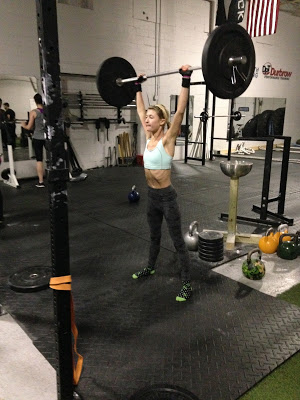
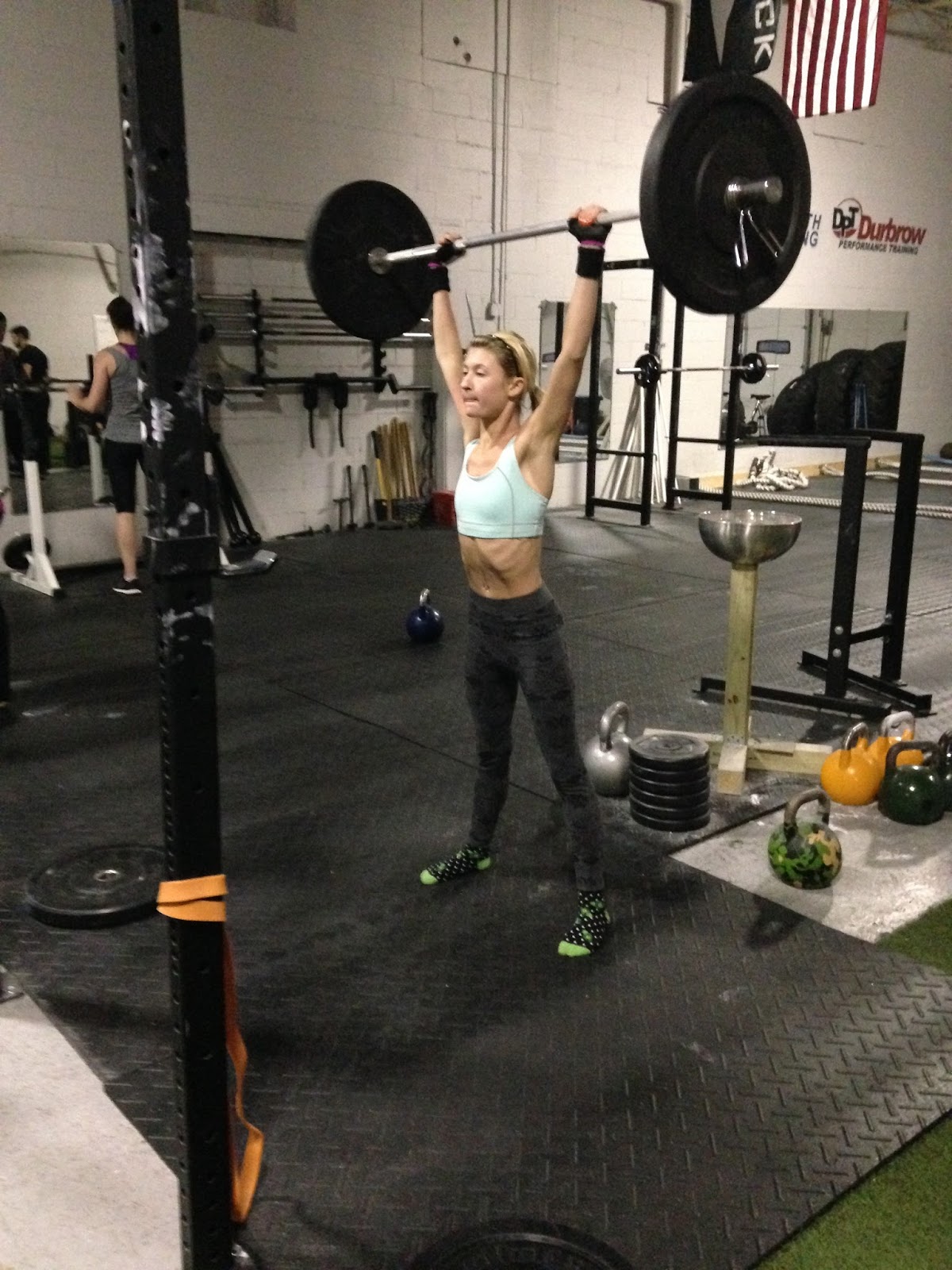
You know those time hop pictures that pop up on Facebook? This week mine have all been of me when I had a pretty severe eating disorder. My “breaking point” (pun intended) was when I suffered a Lisfranc fracture in my left food on December 6, 2013. This was the day before my 20th birthday and was only the beginning of my diet spiraling out of control. I thought since I couldn’t work out as hard that I didn’t deserve to eat as much. This mindset led me to break my foot in different places 4 times after that initial fracture. I also developed the Female Athlete Triad and Osteopenia (precursor to Osteoporosis) all at 20 years old. Sounds healthy huh?
I hadn’t started my degree yet, so I wasn’t educated in what I was doing to my body. I don’t regret any of it, but am happy I had the epiphany when I did or I would have suffered irreversible damage.
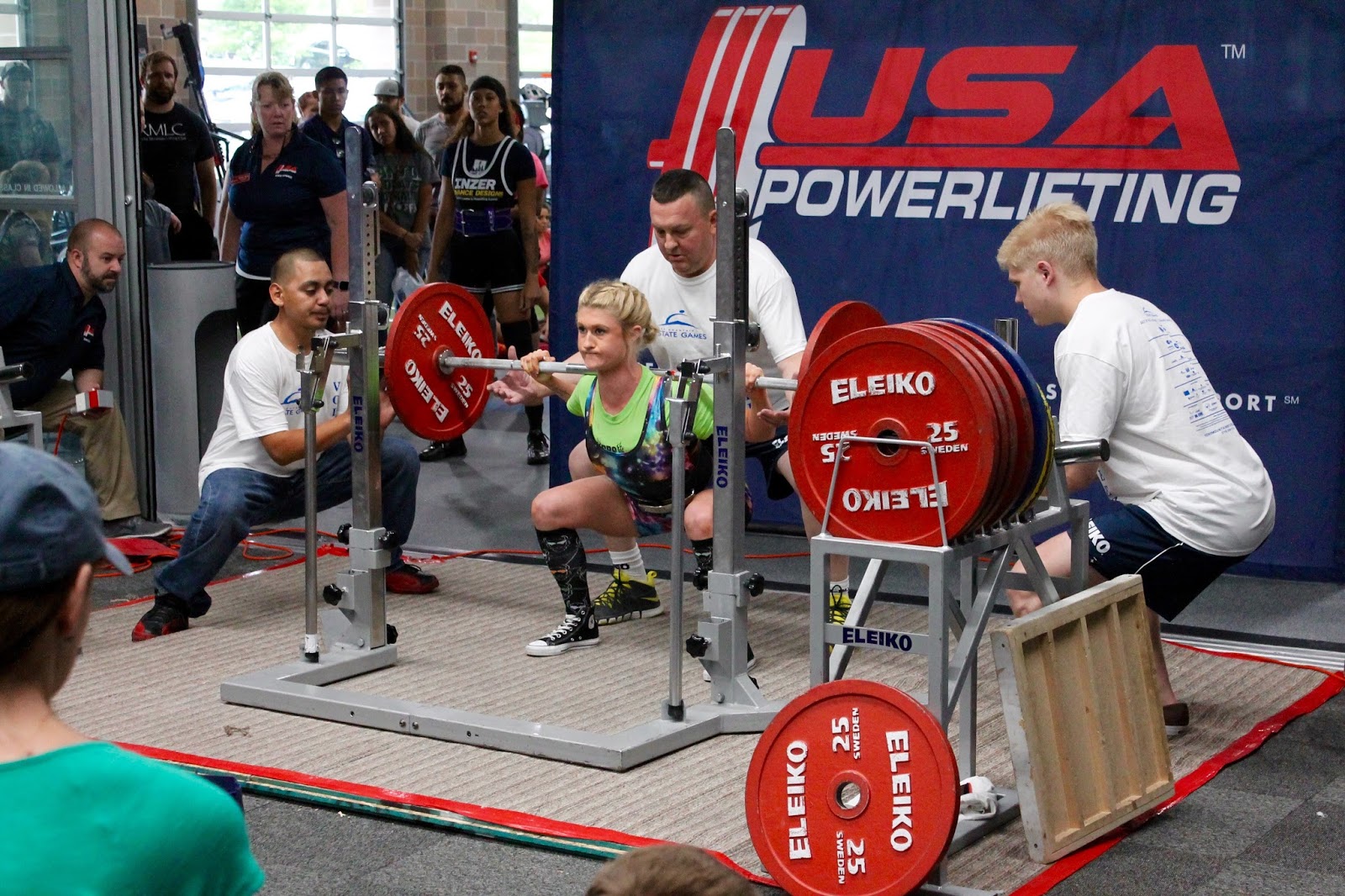
A little of my journey:


https://www.shape.com/blogs/weight-loss-coach/why-undereating-works-against-you
https://www.livestrong.com/article/496198-how-does-our-body-change-food-into-energy-we-can-use/
Source: MJ Fitnatic
